Why Skin Analysis Is the Most Important Part of Every Facial
Skin analysis is the intelligence behind every effective facial. It reveals the skin’s current condition, guides product and protocol choices, identifies contraindications, protects the barrier, and helps estheticians create safer, more personalized treatments instead of relying on routine steps.

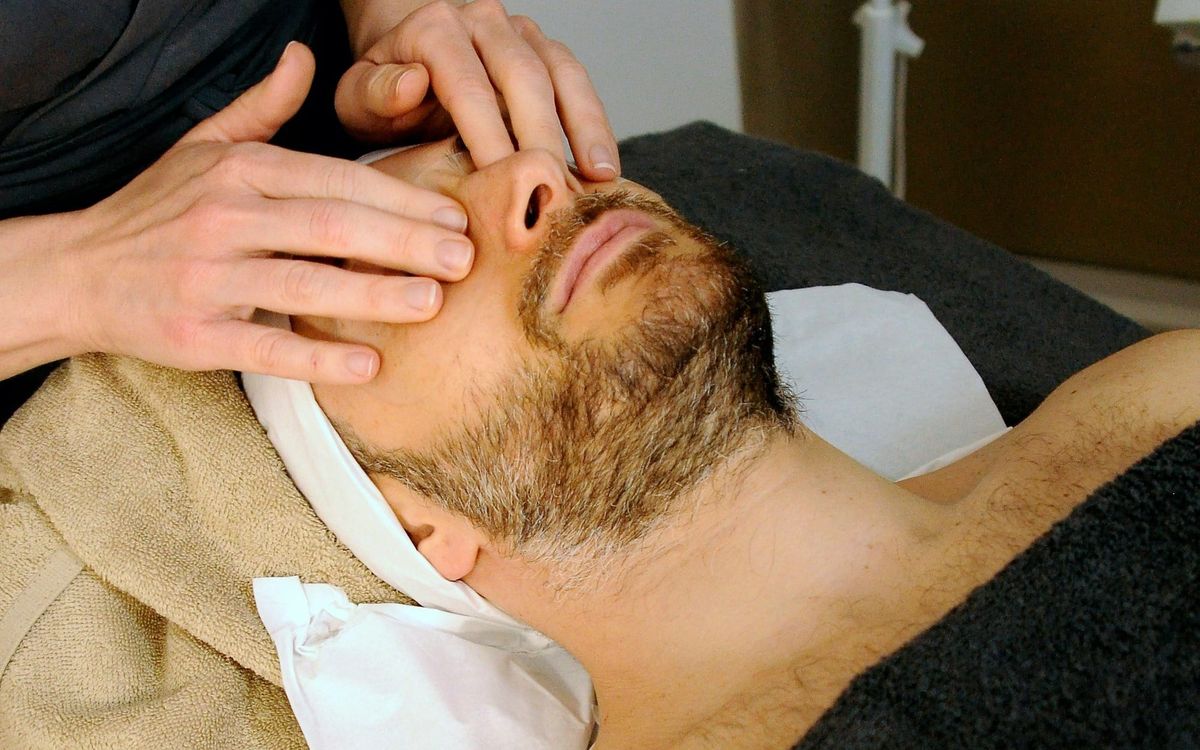
The most sophisticated facial in the world can still fail when it begins with the wrong assumption.
Before the steam rises, before the exfoliant touches the skin, before a device is switched on or a serum is pressed into the complexion, there is one moment that determines the quality, safety, and intelligence of the entire treatment: the skin analysis.
In luxury aesthetics, skin analysis is sometimes presented as a brief opening ritual—a glance beneath the magnifying lamp, a few questions about sensitivity, perhaps a quick observation about pore size or dehydration. But true skin analysis is far more consequential. It is the clinical thinking of the facial room, the point where observation, consultation, product knowledge, professional judgment, and scope-of-practice awareness come together.
A facial is not elevated because it includes more steps. It is elevated because every step makes sense for the skin in front of the provider.
The facial does not begin with cleansing. It begins with understanding.
The Difference Between Looking at Skin and Reading It
Anyone can look at a face. A trained esthetician learns to read one.
The skin presents information through texture, color, oil distribution, visible inflammation, congestion, flaking, sensitivity, pigmentation patterns, elasticity, pore appearance, lesion type, and barrier condition. Yet none of these observations should be interpreted in isolation. What appears to be “dry skin” may be dehydration, barrier disruption, environmental stress, over-exfoliation, medication-related sensitivity, or an unsuitable home-care routine. What a client describes as acne may include comedonal congestion, inflammatory lesions, irritation, follicular buildup, or a condition requiring medical evaluation.
The purpose of analysis is not to assign the client a fashionable skin identity. It is to establish what the skin is communicating today.
That distinction matters because skin is dynamic. It changes with climate, hormones, stress, travel, medication, product use, treatment history, illness, seasonal shifts, and lifestyle. The client who was oily six months ago may now be sensitized from aggressive actives. The client seeking brightening may actually need barrier support before exfoliation. The client requesting an advanced corrective treatment may be presenting with active inflammation that makes a calming, restorative protocol the wiser choice.
Professional esthetics education places skin analysis, product knowledge, client consultation, contraindications, treatment procedures, and record keeping within the same service framework for a reason: they are interconnected elements of safe facial care, not separate administrative tasks.
Skin Type Is Only the Beginning
One of the most common weaknesses in facial planning is the tendency to stop at skin type.
Dry. Oily. Combination. Normal.
These classifications may help organize initial observations, but they do not tell the entire story. A client can have oily skin and still be dehydrated. A dry complexion can also be inflamed. A combination skin type may be sensitized by retinoids, compromised by over-cleansing, or congested beneath an impaired barrier. Mature skin may be resilient, reactive, pigmented, acne-prone, or all four at different times.
The stronger assessment asks more precise questions.
What is the skin’s current condition? Is the barrier functioning well? Is there heat, redness, tenderness, flaking, or reactivity? Is the oil evenly distributed or concentrated in specific areas? Are the visible lesions appropriate for esthetic care? Has the client recently used retinoids, exfoliating acids, prescription products, or undergone another treatment? Are there open lesions, active infection, sunburn, recent waxing, or other contraindications?
The skin type may influence the treatment plan, but the skin condition determines what the skin can tolerate.
This is where advanced providers separate themselves from routine service performers. They do not force every client into a predetermined signature facial. They interpret the complexion, prioritize its immediate needs, and modify the protocol accordingly.
Analysis Protects the Skin Barrier
The modern beauty client often arrives with an ambitious treatment agenda. She wants glass skin, smaller-looking pores, softened lines, clearer texture, fewer breakouts, brighter pigmentation, and an event-ready glow—preferably in one appointment.
But skin cannot be pressured into health.
The barrier is not simply the surface that stands between the provider and a deeper result. It is the skin’s protective architecture. When it is compromised, even familiar products can sting, inflammation can intensify, moisture loss can increase, and recovery can become unpredictable.
A thoughtful analysis helps the esthetician recognize when the client’s desire for correction is outpacing the skin’s ability to tolerate it. That may mean reducing exfoliation, avoiding steam, adjusting massage, simplifying product layering, postponing a device, or replacing an aggressive protocol with barrier-supportive care.
This is not under-treating the client. It is treating the skin with intelligence.
The professional who understands anatomy and physiology is also better prepared to recognize healthy tissue, identify conditions that require referral, and avoid stepping into diagnosis or treatment of disease—activities that do not belong within a cosmetology or esthetics scope of practice.
Analysis Determines Product Selection
A well-designed facial is a chemistry decision as much as it is a technique decision.
Cleansers, enzymes, acids, masks, serums, moisturizers, and finishing products all interact with the skin’s present condition. An ingredient that performs beautifully on resilient, congested skin may be inappropriate for a sensitized complexion. A rich occlusive product may comfort one client while feeling heavy or unsuitable for another. A brightening protocol may need to be reconsidered when the skin is already irritated from home use of exfoliating acids, benzoyl peroxide, retinoids, or multiple corrective serums.
Without analysis, product selection becomes habit.
The provider reaches for the same enzyme, uses the same mask, performs the same number of passes, and recommends the same retail routine because it is familiar. But familiarity is not personalization. A luxury facial should feel curated because it is curated—not because the menu says it is.
Strong product selection begins by asking what the skin needs, what it can tolerate, what the client is already using, and which combination of ingredients is least likely to create unnecessary irritation. The analysis transforms the back bar from a collection of attractive products into a treatment system.
Analysis Reveals Contraindications Before They Become Complications
Some of the most important information in a facial is not visible beneath the lamp.
Recent procedures, prescription medications, allergies, pregnancy, active herpes simplex, uncontrolled medical conditions, open lesions, recent sun exposure, history of unusual scarring, and the use of potent home-care actives can change whether a treatment should proceed, be modified, or be declined.
Advanced treatment education reinforces the importance of screening for active lesions, inflammatory conditions, uncontrolled health concerns, and a history of keloid formation before invasive or higher-risk procedures. While every facial is not an advanced procedure, the principle remains essential: a provider should understand the client’s present condition before creating additional stimulation.
The consultation therefore cannot be treated as paperwork the client completes while waiting. It is part of the treatment.
A thorough esthetician listens for the details clients may not initially recognize as relevant. “I started a new cream.” “I had my brows waxed yesterday.” “My dermatologist changed my prescription.” “I peel every night.” “This spot never heals.” “My face has been burning for a week.”
These statements can redirect the entire service.
The goal is not to diagnose. The goal is to recognize when the skin is not an appropriate candidate for the planned treatment and when referral to a qualified medical professional is the responsible next step.
In Texas, Analysis Is Also a Compliance Conversation
For Texas estheticians, intelligent assessment is closely connected to professional scope.
The pressure to deliver dramatic results can be especially strong in competitive luxury markets, where clients may arrive asking for advanced exfoliation, medical-sounding treatments, aggressive devices, or procedures they have seen promoted online. But a client’s request does not expand a provider’s legal authority.
Beauty Spot’s Texas legal framework emphasizes that an esthetician’s license permits services allowed by law—not every procedure a person may have been shown in a class or observed in a medical aesthetics environment. It also cautions against aggressive exfoliation, devices that imitate medical procedures, and services that move beyond superficial cosmetic care.
Skin analysis creates the pause in which the provider can ask not only, “What would produce a result?” but also, “Is this appropriate, safe, and within my role?”
That pause protects the client, the license, the treatment room, and the reputation of the business.
Analysis Creates Better Treatment Plans
A single facial may create visible polish, but meaningful skin improvement usually requires continuity.
The first analysis establishes a baseline. Future assessments reveal change. Is inflammation decreasing? Is the barrier becoming more resilient? Has congestion shifted? Is pigmentation improving? Is the client tolerating the home-care plan? Are seasonal or lifestyle changes creating new concerns?
Without documentation, each appointment begins again from memory. With consistent notes, photographs taken with consent, product records, and treatment responses, the esthetician can build a progressive strategy rather than a series of disconnected services.
That strategy may include alternating corrective and restorative treatments, adjusting appointment frequency, simplifying the home routine, introducing products gradually, or referring the client when a concern falls outside esthetic care.
This is where the facial evolves from a temporary experience into professional skin management.
Analysis Builds Client Trust
Clients may not remember every ingredient used during a facial, but they remember whether they felt seen.
They notice when the provider asks thoughtful questions. They notice when the treatment is adjusted instead of performed mechanically. They notice when an esthetician explains why a requested service may not be appropriate that day. They notice when recommendations connect directly to what was observed rather than sounding like a retail script.
This is the psychology of luxury service.
Luxury is not excess. It is discernment.
The most trusted estheticians do not prove their expertise by doing the most. They prove it by making the clearest decisions. Sometimes that decision is to exfoliate. Sometimes it is to calm. Sometimes it is to postpone. Sometimes it is to refer.
Each choice tells the client that her skin is being treated as an individual system, not as an appointment slot.
The Consultation Is Part of the Result
Skin analysis also allows the provider to align expectations before the facial begins.
A client may describe enlarged pores when the more visible issue is dehydration. She may request extraction of every bump, although aggressive manipulation could increase inflammation. She may expect one brightening treatment to erase years of pigment. She may believe tingling is proof that a product is “working.”
The analysis becomes an educational moment—one that replaces beauty mythology with professional clarity.
This conversation should never feel like a lecture. It should feel collaborative. The esthetician explains what is visible, what may be contributing to it, what can responsibly be addressed during the appointment, and what will require consistency over time.
Expectation management is not separate from client satisfaction. It is one of its foundations.
When the client understands the treatment plan, she is more likely to follow aftercare, use products correctly, return at an appropriate interval, and recognize progress that may be gradual rather than dramatic.
The Most Advanced Step Is Often the First One
The beauty industry is fascinated by what comes next: the newest device, the most talked-about ingredient, the stronger peel, the more elaborate protocol, the treatment promising a clinical-grade glow.
But every advanced tool becomes less intelligent when it is used without assessment.
Skin analysis is what turns knowledge into judgment. It is where education becomes customization, where product chemistry meets observation, where client goals meet professional boundaries, and where a routine facial becomes a high-trust experience.
The magnifying lamp may not be the most glamorous object in the treatment room. The consultation form may never appear in a campaign image. The decision to reduce intensity may not sound as exciting as the promise of instant transformation.
Yet this is where the real authority lives.
A facial should never be a sequence of steps searching for a reason. It should be a reasoned response to the skin.
And that is why skin analysis is not merely the beginning of every facial.
It is the most important part of it.