Beyond the Glow: Healthy Skin Begins with Awareness
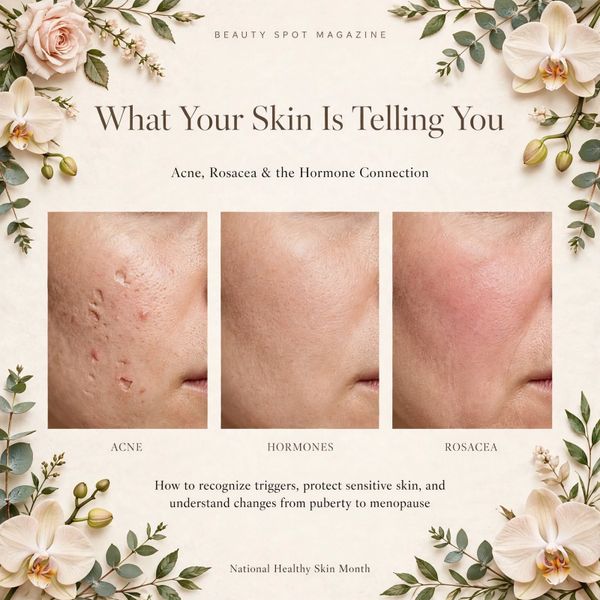
Healthy skin is more than a beautiful glow. For National Healthy Skin Month, Beauty Spot explores year-round sun protection, skin self-exams, and changes that deserve a dermatologist’s attention—because well-informed care belongs to every skin tone, every age, and every chapter of your skin’s story.

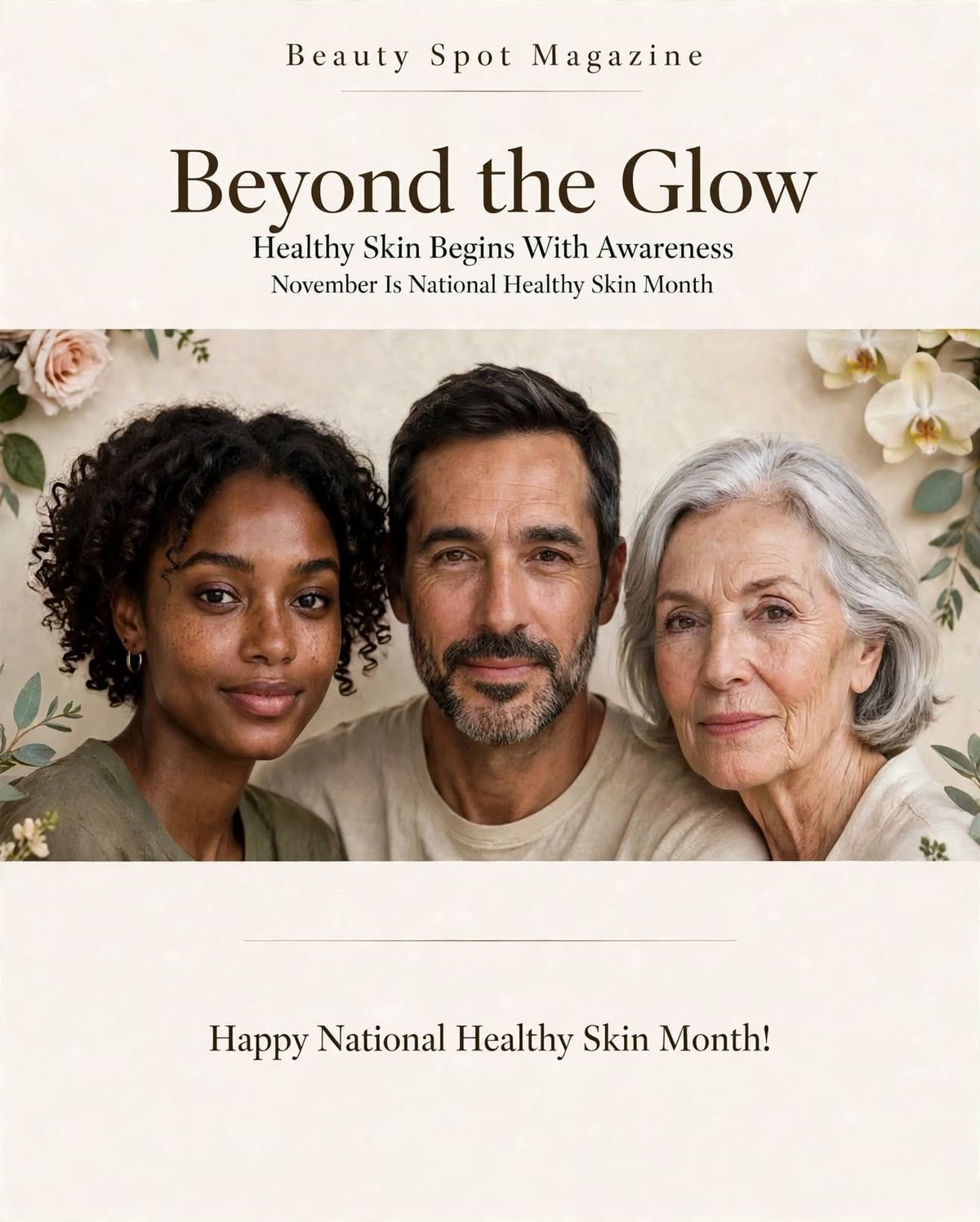
For National Healthy Skin Month, Beauty Spot explores the everyday protection, informed observation, and timely care that matter beyond appearance—at every age and across every skin tone.
Beauty Spot Magazine | Part One of a Three-Part Skin Health Series
We know how to recognize a glow. We notice the smooth finish after a facial, the softness of a well-moisturized complexion, the way light catches a freshly cared-for face. We are often less practiced at noticing the quieter details: a spot that looks different from its neighbors, a sore that keeps returning, a mark beneath a nail that is changing. The beauty industry has taught us to study our reflections for improvement. Skin health asks us to look with a different intention—not to find flaws, but to become familiar with the skin we live in.
A Month for Looking Beyond the Surface
Observed each November, National Healthy Skin Month is an American Academy of Dermatology awareness initiative rooted in public education about skin health. Its purpose reaches beyond cosmetic improvement, creating an opportunity to discuss skin care, protection, and concerns that deserve medical attention. That educational foundation matters. This is not simply another occasion to refresh a product shelf; it is an invitation to reconsider what caring for skin actually means. American Academy of Dermatology
Skin provides a protective barrier, helps regulate temperature, and allows us to experience touch. Its appearance tells only part of its story. A radiant complexion does not rule out disease, just as wrinkles, freckles, or uneven pigmentation do not automatically indicate poor health. Caring for skin means making room for both realities: enjoying beauty while refusing to mistake appearance for a medical assessment.
Skin cancer awareness belongs within that conversation. Basal cell carcinoma, squamous cell carcinoma, and melanoma are different diseases, and their appearances can vary. Ultraviolet exposure is an important, preventable risk factor, but not every skin cancer develops on visibly sun-damaged skin or in frequently exposed areas. A suspicious change deserves attention whether it appears on a sun-exposed cheek or somewhere usually covered. AAD: Skin cancer
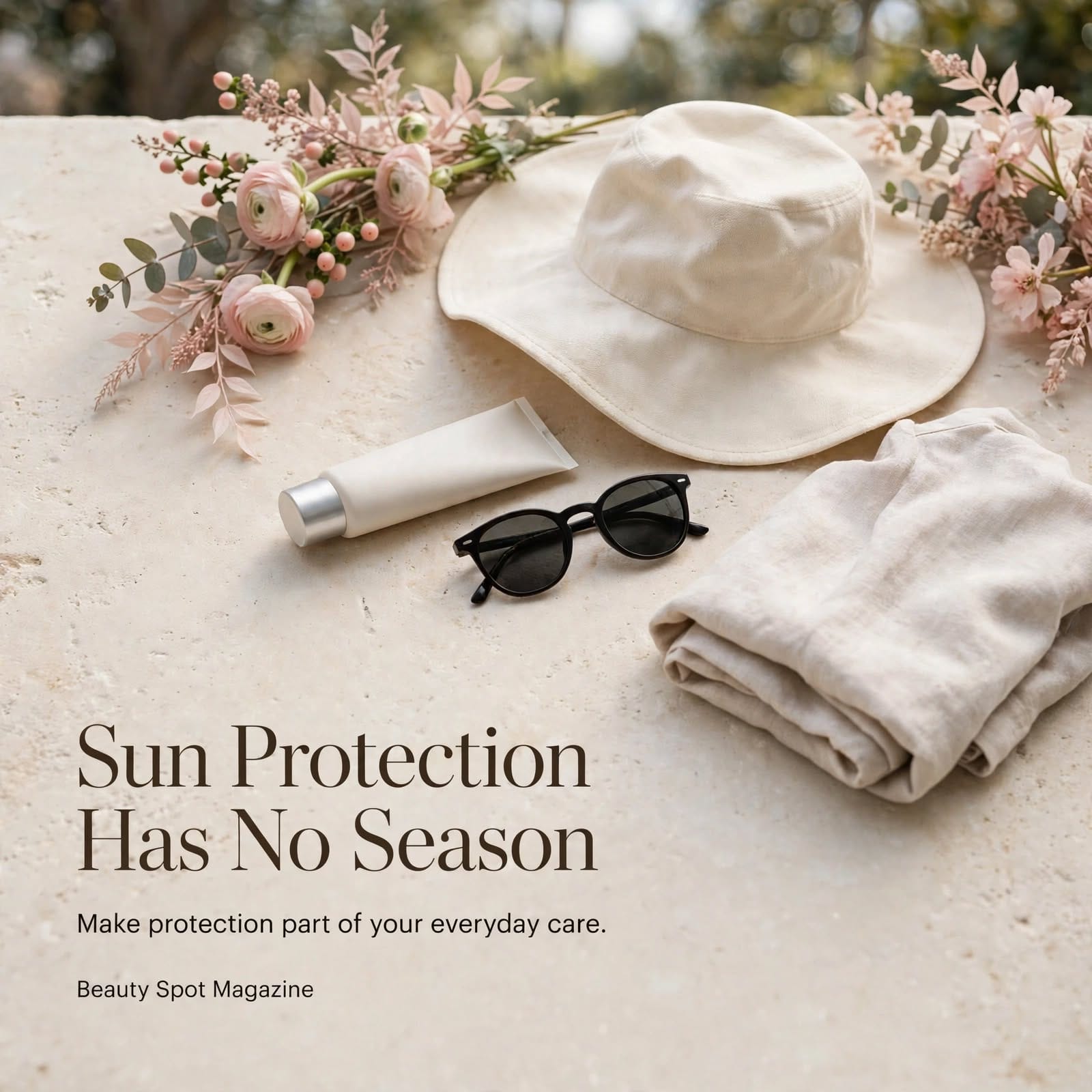
Sun Protection Has No Season
A change in temperature is not permission to abandon sun protection. Cloud cover and cool weather do not reliably tell us how much ultraviolet exposure we are receiving. For Texas readers, the practical conversation should include ordinary life: outdoor shifts, school activities, exercise, gardening, and time between appointments—not only vacations.
The American Academy of Dermatology recommends a broad-spectrum, water-resistant sunscreen with SPF 30 or higher. Apply it generously to uncovered skin before going outdoors, remembering commonly overlooked areas such as the ears, neck, hands, and tops of the feet. Outdoors, reapply approximately every two hours and after swimming or sweating, following the product’s directions. Sunscreen is one layer of protection, not a substitute for shade, protective clothing, a broad-brimmed hat, and UV-protective sunglasses. Avoid indoor tanning. AAD: Sunscreen guidance
The most useful routine is one that fits real life. A comfortable formula, accessible placement, and consistent habits can make protection feel less like an interruption. For beauty professionals, that means discussing sunscreen as everyday care—not simply as a finishing product after a treatment.
Learn Your Skin Without Becoming Afraid of It
Skin self-exams are about familiarity, not self-diagnosis. In good light, use a full-length mirror and a hand mirror to examine the front, back, and sides of your body. Include your scalp, nails, palms, soles, between your toes, and areas that clothing usually conceals. A trusted person can help with places that are difficult to see. The goal is to understand your usual pattern so that something new or different is easier to notice. AAD: How to check your skin
A recurring reminder can help establish the habit; ask your clinician what frequency makes sense for you. Dated photographs may help document changes, but neither photographs nor an app can establish a diagnosis. Do not wait for the next planned check when something concerns you. Professional examination schedules should also be individualized, particularly for people with a personal or family history of skin cancer, unusual moles, or immune suppression.
A beautiful complexion is not a medical screening. Knowing your skin means looking beyond its finish.
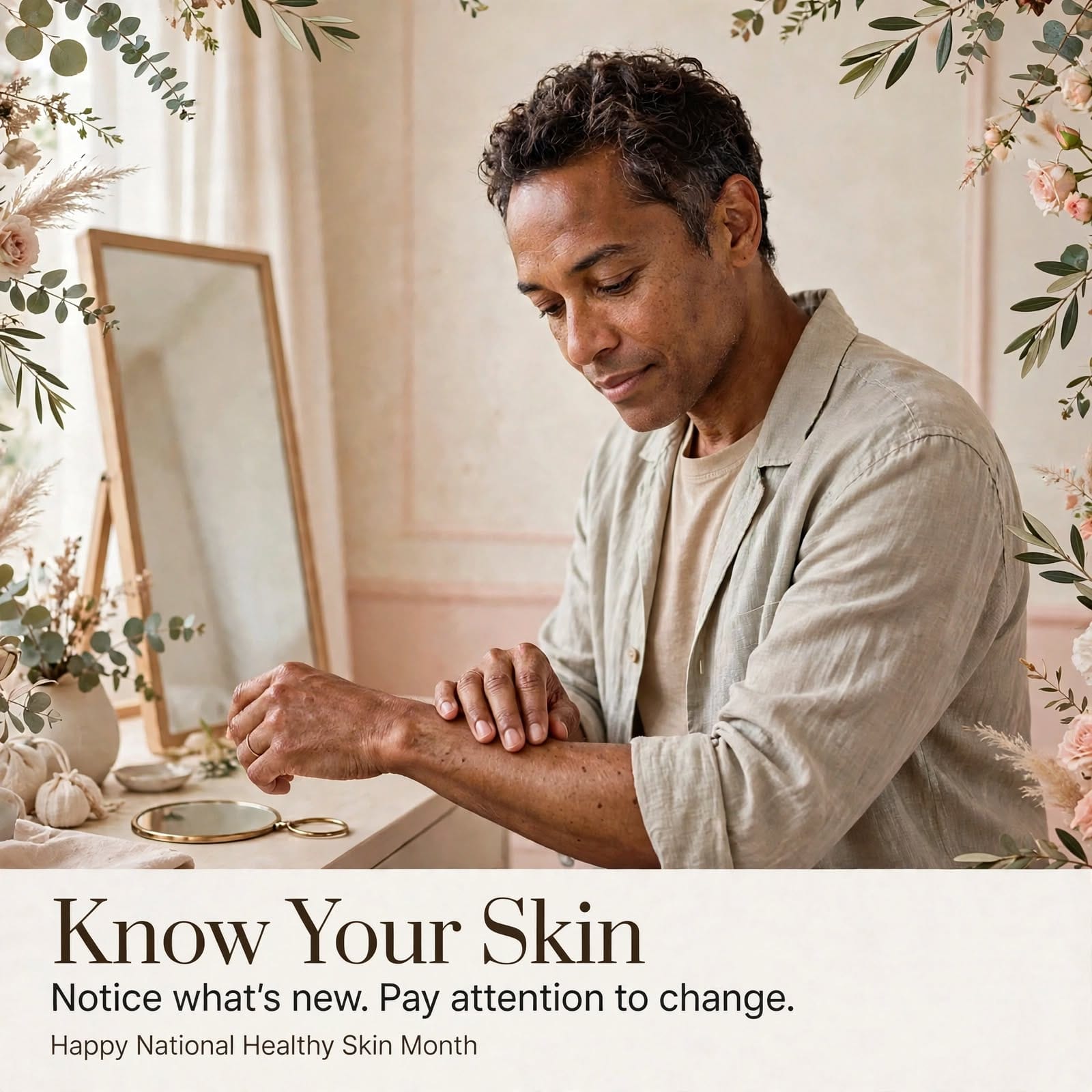
The Changes That Deserve a Dermatologist’s Attention
The ABCDE framework can help identify warning signs of melanoma: asymmetry, when one half differs from the other; border, when edges are irregular; color, when a spot contains uneven or multiple shades; diameter, often greater than six millimeters, although melanomas can be smaller; and evolving, meaning a change in size, shape, color, or other characteristics. A spot that looks unlike your others—the “ugly duckling”—also deserves attention. These are prompts for evaluation, not a checklist that can rule cancer in or out. AAD: ABCDEs of melanoma
Not every concerning lesion is a dark mole. Seek medical attention for a new or changing growth, a sore that does not heal or repeatedly returns, unexplained bleeding, persistent itching, or a changing scaly or raised area. A new or changing dark band beneath a nail also warrants assessment. Many changes have benign explanations; the important step is obtaining the right evaluation rather than treating an unexplained spot as a cosmetic problem. American Cancer Society: Signs and symptoms
Every Skin Tone Belongs in the Conversation
Skin cancer risk is not identical across populations, but no skin tone makes someone immune. Darker skin still needs sun protection and informed observation. Attention should include the palms, soles, and nail areas, where some melanomas occur. Those cancers are not necessarily explained by sun exposure, which is why sunscreen education and skin awareness must remain complementary messages. Skin Cancer Foundation: Skin cancer and skin of color
Education should also evolve with age. Children need adults who model protective habits; adolescents deserve alternatives to tanning culture; adults need routines that survive demanding schedules. Older adults may benefit from assistance checking hard-to-see areas. For infants, seek pediatric guidance about appropriate protection. Across these stages, educational images should represent varied complexions and ages, rather than presenting one narrow picture of who needs to pay attention.
The Texas Beauty Professional’s Role
For Texas salons, spas, and esthetics educators, the opportunity is to make awareness part of thoughtful service. A professional may notice an unfamiliar scalp, ear, or nail change during an appointment. The responsible response is a neutral observation and encouragement to seek medical evaluation—not a diagnosis or reassurance that a spot is harmless. Avoid treating over an unexplained, suspicious lesion while its nature remains uncertain. This approach reflects the professional-boundary emphasis in Beauty Spot’s Texas practice reference.
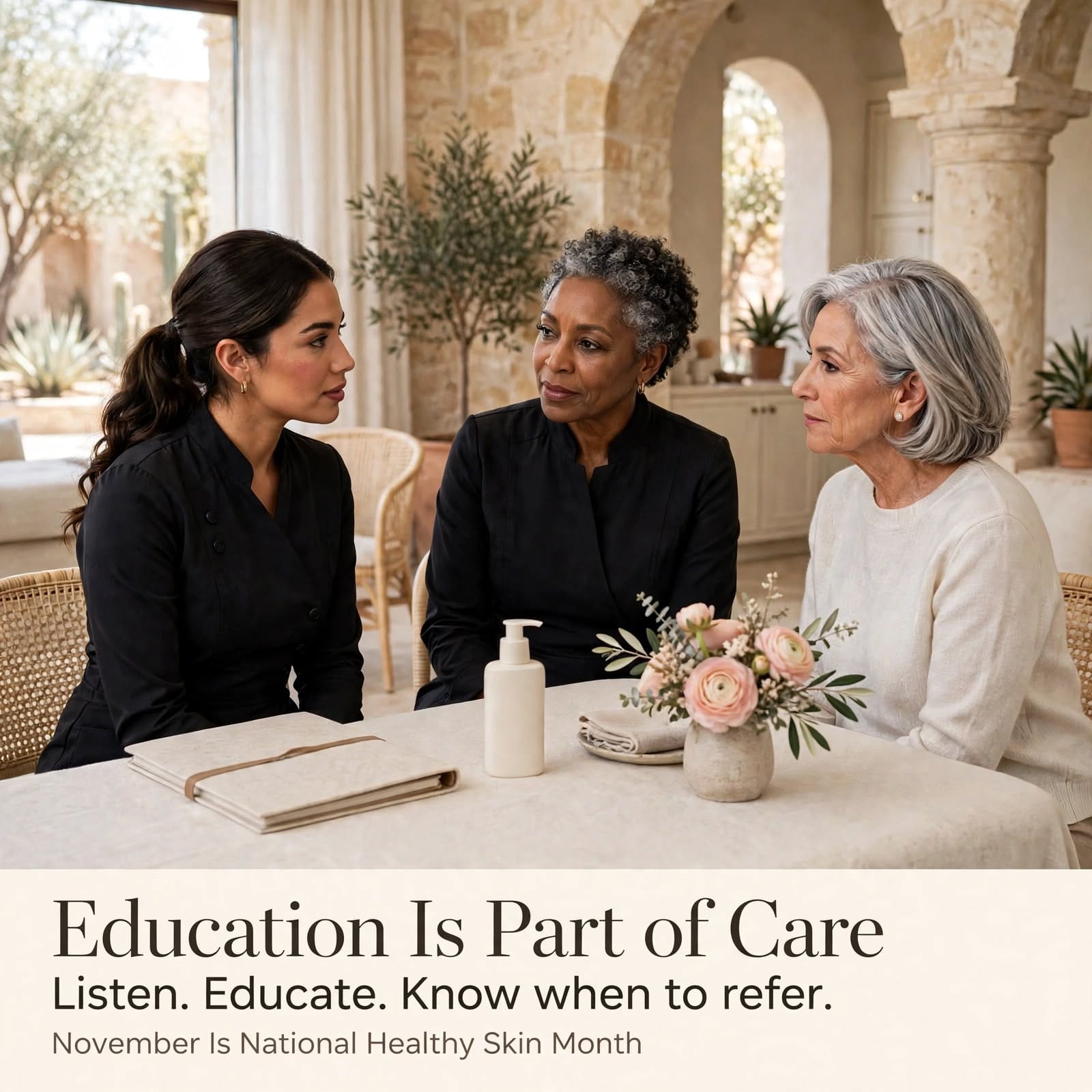
Awareness Is a Form of Care
National Healthy Skin Month offers a more meaningful ambition than perfect skin: a better relationship with it. Protect it without making care complicated. Notice changes without turning observation into fear. Ask questions without embarrassment. Seek medical attention when something seems different.
The glow can still be part of the story. It simply should not be the whole story.
This feature provides general education, not an individual diagnosis or treatment plan. Linked references were not live-checked because web browsing is disabled in this conversation.
#NationalHealthySkinMonth #SkinCancerAwareness #SunSafety #SkinHealthEducation #BeautySpotMagazine