Beyond the Facial: When Your Skin Needs More Than a Glow
Beyond the facial, discover how modern medical aesthetics is redefining skin health. From customized treatments to collagen remodeling, explore advanced rejuvenation, skin longevity, and the science behind healthier-looking skin at every age—with expert insight into safe, personalized care.

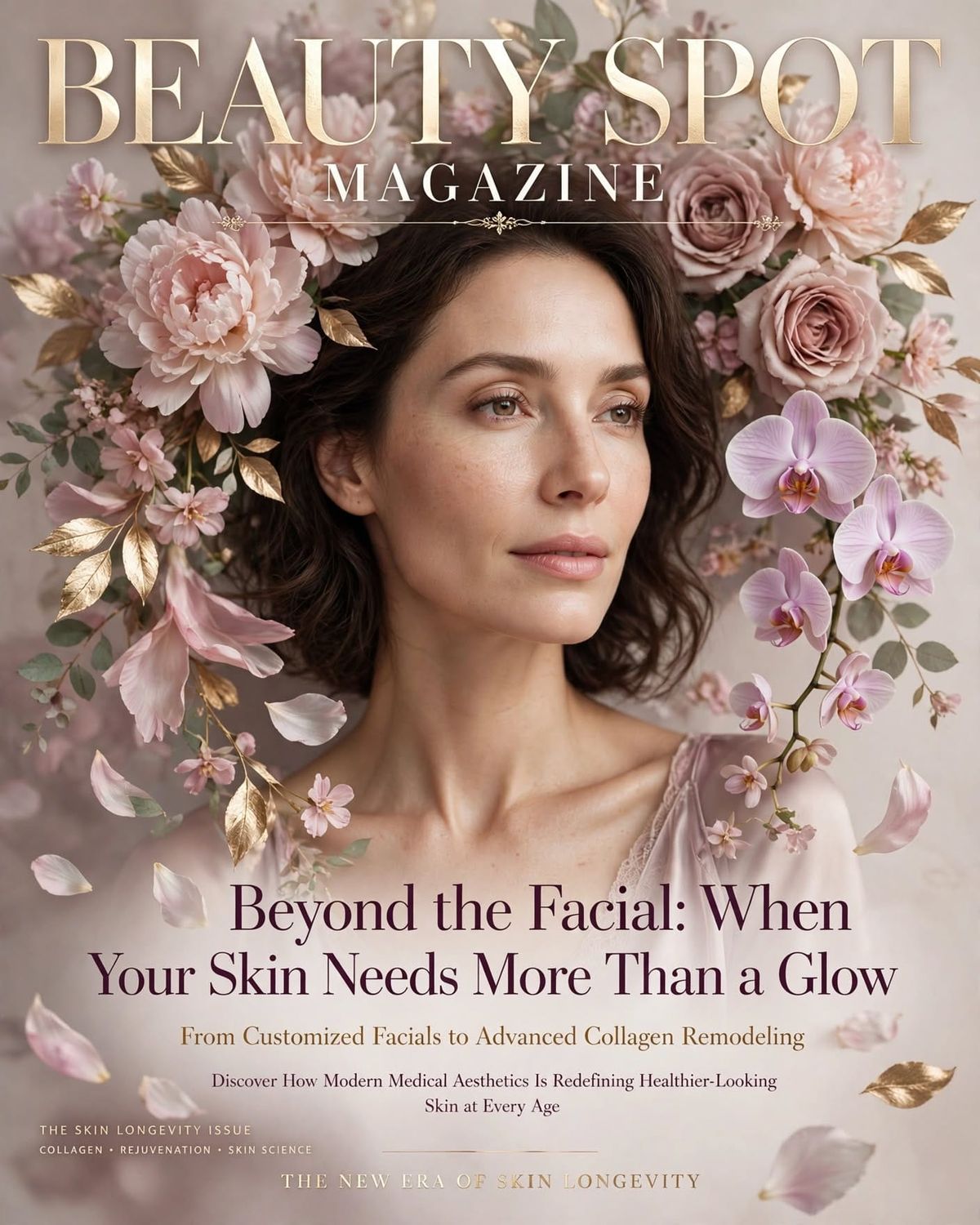
BEAUTY SPOT MAGAZINE | THE SKIN LONGEVITY ISSUE
From customized facials to advanced collagen remodeling, discover how modern medical aesthetics is changing the way we approach healthier-looking skin at every age.
Beautiful woman with healthy skin on beige background, space for text
Beauty & Aesthetics | Skin Science | Advanced Treatments | Skin Longevity
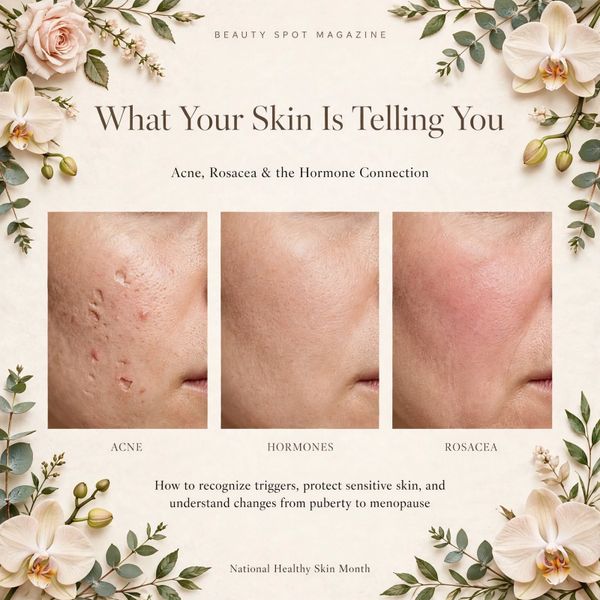
There is a moment in almost every skincare journey when the familiar facial no longer seems to deliver quite the same transformation. The skin still feels refreshed, the complexion appears brighter, and the ritual of professional care remains undeniably luxurious. Yet beneath that temporary radiance, something more complicated may be happening. Fine lines become more noticeable, texture begins to change, pigmentation seems increasingly persistent, and the firmness that once defined the face gradually softens. For some, these changes arrive in their thirties. For others, they emerge decades later. And for many, concerns such as acne scarring, uneven tone, or chronic sensitivity have little to do with age at all. The question is no longer simply how to achieve glowing skin. It is how to support the skin's structure, function, resilience, and appearance over time.
This is where the modern conversation around aesthetics begins to shift. Across the beauty industry, traditional facials are finding their place within a more sophisticated continuum of skin health, one that connects professional esthetics, dermatology, cosmetic science, and medical aesthetic technology. The result is a more individualized approach to skin rejuvenation, where treatments are selected according to the condition of the skin rather than the latest trend circulating across social media.
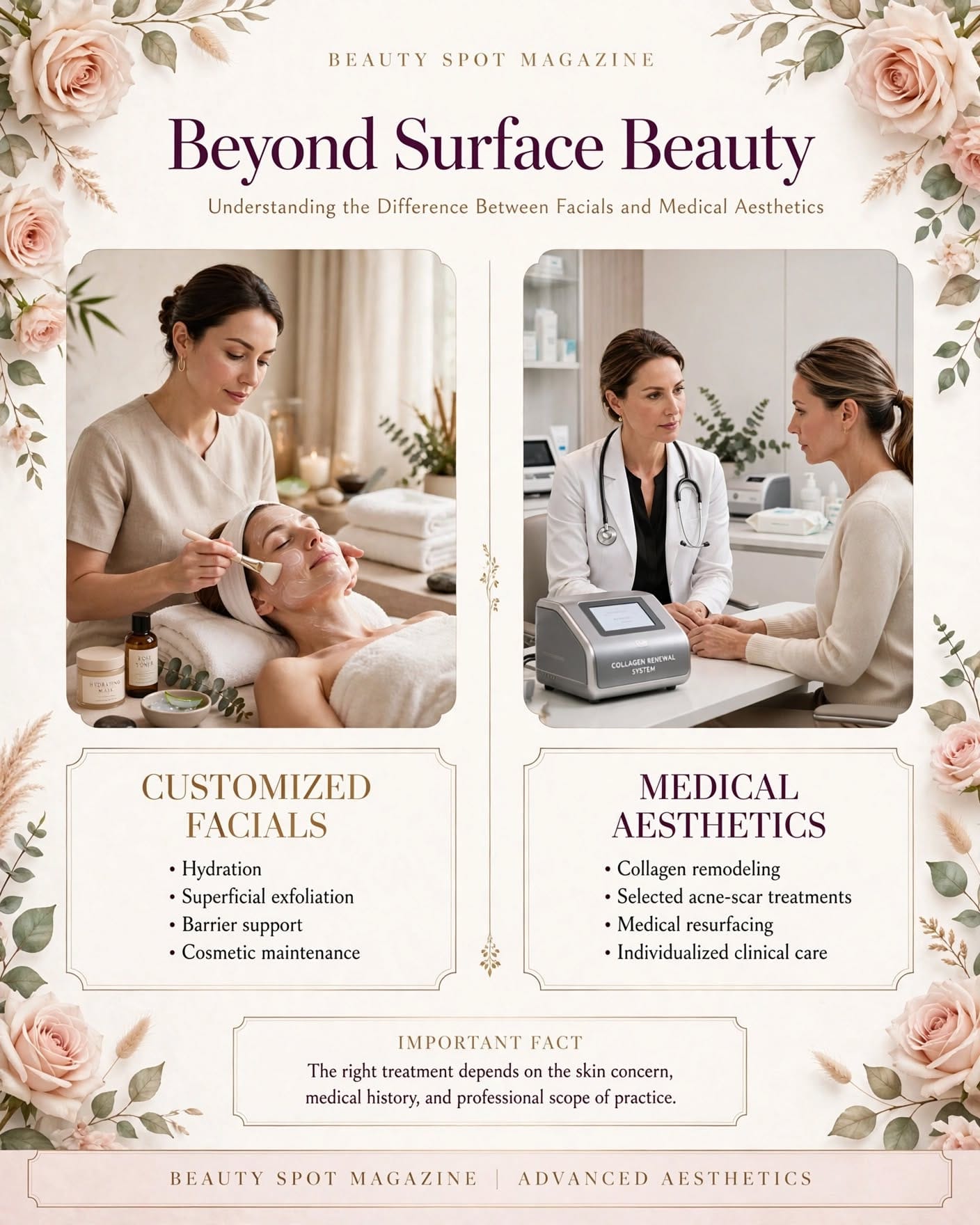
For today's beauty consumer, understanding that distinction is becoming essential. A facial can be extraordinary for hydration, superficial exfoliation, relaxation, and maintaining a healthy-looking complexion. But when the concern involves deeper acne scars, significant textural changes, or structural collagen loss, treatments that work beyond the surface may deserve consideration.
The future of skincare is not about abandoning the facial. It is about understanding when the skin may benefit from something more.
The Facial Is Still Essential. It Just Has a Different Job.
Nava Clinic | Premium Skin Rituals Firenze | Palazzo Portinari SalviatiMed Spa Services in Temecula, CA | $50 Off Your First Visit!Is my adult acne caused by hormonal changes? | Her World Singapore8
For decades, the professional facial has represented the foundation of the skincare experience. It is where clients learn about their skin, discover professional products, and develop relationships with estheticians who often become trusted advisors throughout years of changing skin concerns. A well-designed facial is far more than a sequence of cleansing, exfoliation, massage, and masking. It is an opportunity to assess visible skin conditions, recognize signs of barrier disruption, address superficial congestion, and build a personalized home-care routine that supports the skin between appointments.
The most sophisticated facial treatments today are increasingly customized around the skin's current needs. A client experiencing dehydration may benefit from barrier-supportive ingredients, humectants, and gentle conditioning treatments. Someone managing excess oil and congestion may need carefully selected exfoliation and nonaggressive extraction techniques. A client with reactive skin may require an entirely different approach, emphasizing comfort, reduced irritation, and preservation of the skin barrier rather than aggressive resurfacing.
These distinctions matter because the skin is not static. Hormonal fluctuations, environmental exposure, medication use, stress, seasonal changes, and aging can all influence how the skin behaves. A treatment that was appropriate six months ago may not be ideal today.
Professional estheticians understand that effective skincare begins with observation, education, and consistency. However, the facial primarily addresses concerns that can be managed through topical products and procedures within the professional's authorized scope. It does not replace medical evaluation or procedures intended to remodel deeper tissue.
That distinction is not a limitation of the facial. It is a recognition of its purpose.
The most beautiful skin is not necessarily the skin receiving the most aggressive treatments. It is the skin receiving the right care at the right time.
Beneath the Surface: Why Collagen Changes the Conversation
To understand why advanced aesthetic treatments have become such an important part of modern skin rejuvenation, it helps to understand what happens beneath the visible surface.
The skin is composed of interconnected layers, each performing a different function. The epidermis forms the outer protective barrier, helping regulate moisture loss and defend against environmental exposure. Beneath it, the dermis contains structural proteins, blood vessels, nerves, and connective tissue that contribute to the skin's strength, elasticity, and appearance.
Collagen is one of the dermis's most important structural proteins. It helps provide support and firmness, while elastin contributes to the skin's ability to stretch and recover. Fibroblasts, specialized cells within connective tissue, play a central role in producing and maintaining these components.
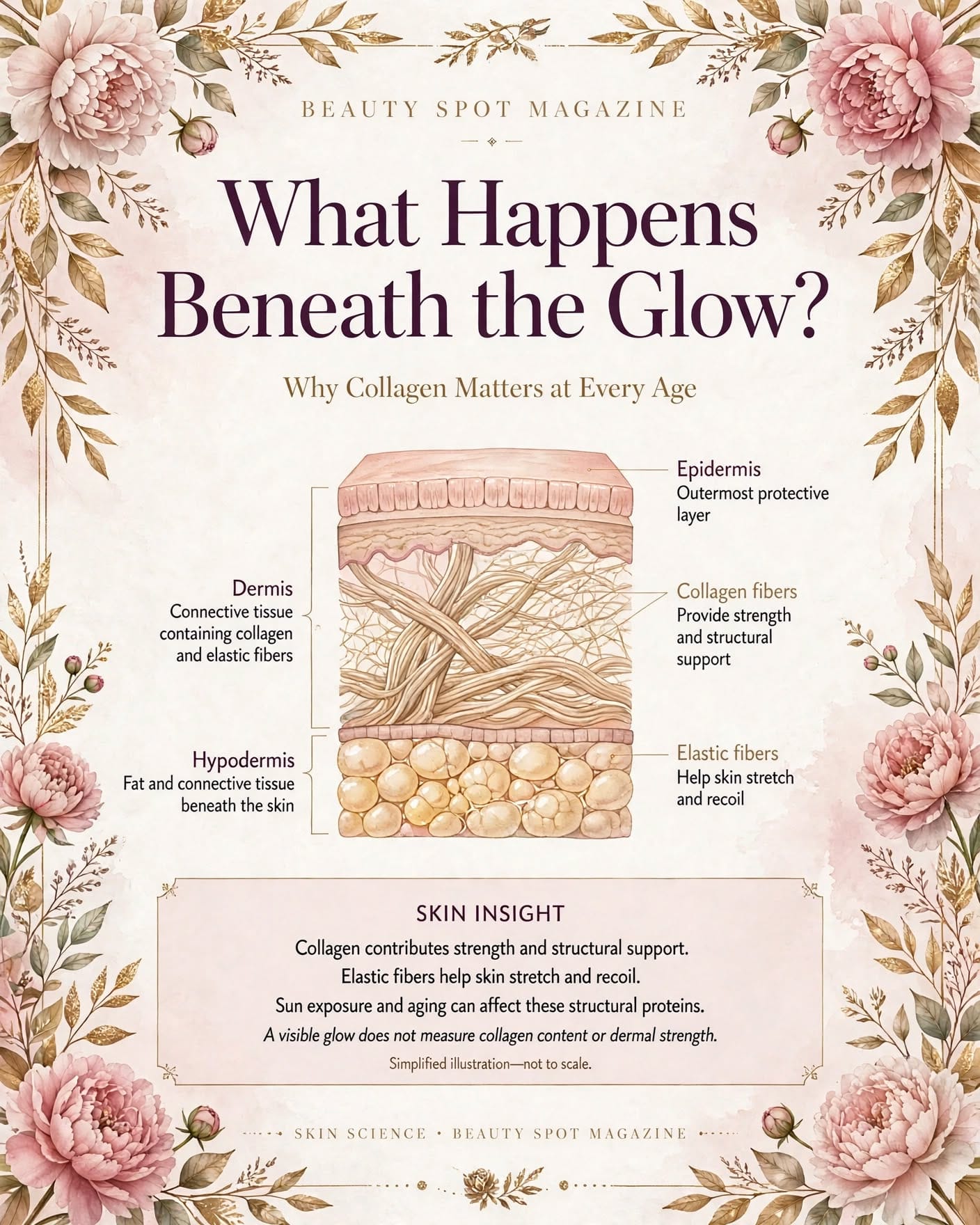
Over time, collagen production and organization change. Ultraviolet exposure, smoking, inflammation, genetics, and the natural aging process can influence the breakdown and renewal of dermal structures. Hormonal transitions, particularly menopause, may also accelerate certain changes in skin thickness and collagen content.
The visible result can include fine lines, wrinkles, crepey texture, reduced firmness, and changes in the skin's overall smoothness. Yet these concerns are not always corrected by applying increasingly sophisticated products to the surface.
Topical skincare remains important. Retinoids, sunscreen, antioxidants, and appropriately formulated moisturizers can help improve aspects of skin appearance and support long-term skin health. But topical products and medical procedures work through different mechanisms, with different degrees of evidence, risk, and expected results.
This is why collagen remodeling has become such a central concept in medical aesthetics.
Rather than focusing exclusively on how the skin looks immediately after treatment, collagen-focused procedures aim to stimulate controlled biological responses that may improve certain structural features over time.
The distinction is significant. A temporary glow can appear within hours. Meaningful tissue remodeling, when it occurs, develops over weeks or months.
The Rise of Collagen Remodeling
Microneedling Austin: Collagen, Acne Scars & Poresbanyanandbamboo.com
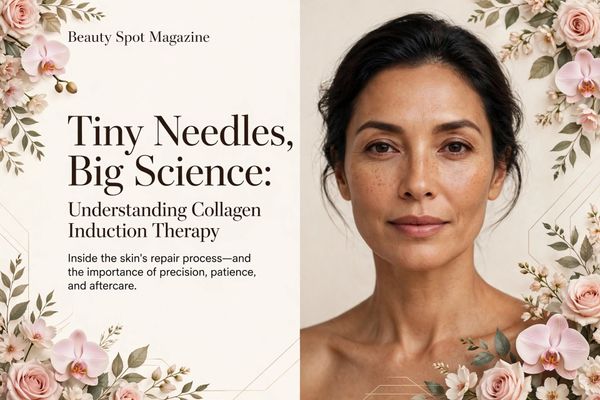
Among the procedures reshaping the aesthetics conversation, microneedling has become one of the most recognizable. The treatment uses fine needles to create controlled micro-injuries in the skin, initiating a wound-healing response that can stimulate collagen remodeling. Depending on the device, treatment parameters, and individual skin characteristics, medical microneedling may help improve the appearance of certain acne scars, fine lines, and uneven texture.
The appeal lies partly in its biological approach. Rather than simply polishing the skin's surface, microneedling targets processes associated with tissue repair. The resulting changes are gradual, and multiple sessions may be recommended depending on the indication and response.
However, not every microneedling treatment is equivalent. Needle penetration, device design, practitioner training, treatment location, and the patient's medical history can substantially influence both safety and outcomes. Deeper treatment is not automatically better, and excessive injury can increase the risk of scarring, infection, prolonged inflammation, or post-inflammatory hyperpigmentation.
This is especially important for patients with darker skin tones, a history of pigmentary disorders, or conditions that impair normal healing. Appropriate patient selection, conservative clinical judgment, and thoughtful aftercare are essential.
Another distinction consumers should understand is that microneedling performed with a conventional device is not the same as radiofrequency microneedling. Radiofrequency systems combine needle penetration with the delivery of thermal energy into tissue. Depending on the technology and treatment plan, these procedures may be used to address certain textural concerns and skin laxity, but they introduce additional risks, including burns, scarring, pigment changes, and unwanted tissue injury.
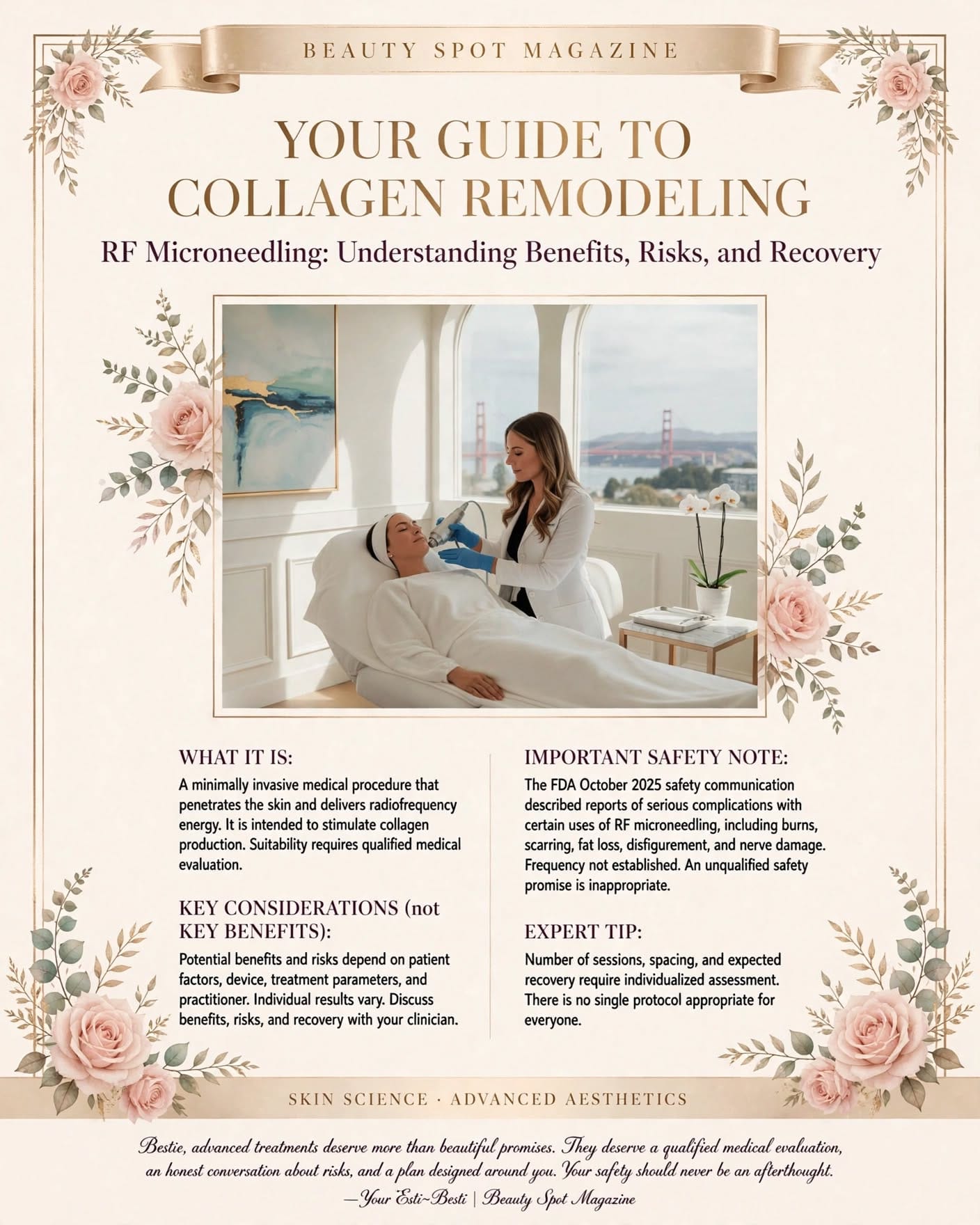
The growing popularity of these procedures should never obscure the importance of medical oversight, informed consent, and realistic expectations.
In Texas, procedures that penetrate living tissue or involve medical devices must be evaluated under the applicable medical and professional scope-of-practice rules. An esthetician license alone does not authorize independent performance of medical microneedling or other medical procedures. Appropriate medical evaluation, delegation where permitted, training, and supervision requirements matter.
For consumers, the most important question is not whether a treatment is fashionable. It is whether the procedure is appropriate for their skin, performed by a properly authorized professional, and supported by a clear understanding of the potential benefits and risks.
When Exfoliation Is No Longer Enough
Chemical exfoliation has long occupied an important place in professional skincare. Carefully selected exfoliating acids can help improve superficial roughness, dullness, and uneven-looking tone by influencing the shedding of cells at the skin's surface. Yet chemical peels exist across a broad spectrum, and the difference between superficial exfoliation and deeper chemical resurfacing is substantial.
A gentle superficial peel may complement a professional facial program. More intensive peels can produce greater changes in skin appearance but also involve more significant recovery, irritation, pigmentary complications, and other risks. Medium-depth and deep chemical peels are medical procedures and require appropriately qualified medical professionals.
For individuals with persistent pigmentation, the challenge becomes even more complex. Not all discoloration has the same cause. Sun-induced pigmentation, post-inflammatory hyperpigmentation, and melasma can look superficially similar while responding differently to treatment. Some pigmentary conditions can worsen when the skin is subjected to excessive heat, inflammation, or aggressive resurfacing.
This is one reason professional skin assessment matters so much. Before recommending increasingly intensive treatments, the provider must understand what is creating the visible concern. A client with stubborn pigmentation may need a dermatologic diagnosis, careful sun protection, appropriate topical therapy, and a long-term management plan rather than a series of increasingly aggressive peels.
The objective is not simply to remove more layers of skin. It is to improve appearance without compromising the skin's ability to protect and repair itself.
The Technology Behind Modern Skin Rejuvenation
Laser Treatments in Encino | Device-Based Treatments at NPMDIntegrating LED Light Therapy into Your Existing Facial Workflow: Ligh – Pure Spa DirectDNA Distribution | Exclusive Cryoskin & icoone Distributor | Med Spa Equipment12
Medical aesthetics has expanded well beyond injectable treatments and traditional resurfacing. Today's clinical environment may include fractional lasers, light-based technologies, radiofrequency devices, ultrasound-based systems, and other energy-based treatments designed to address specific concerns.
Lasers, for example, can be selected to target pigmentation, vascular changes, unwanted hair, or skin texture, depending on their wavelength, energy delivery, and intended use. Fractional resurfacing systems create controlled zones of treatment, allowing portions of surrounding skin to remain untreated while healing occurs. Ablative and nonablative technologies differ significantly in their mechanisms, recovery periods, and risk profiles.
Energy-based skin-tightening treatments may use radiofrequency or focused ultrasound to deliver energy to selected tissue depths. Some patients experience modest improvements in firmness or laxity, but outcomes vary, and these procedures do not replicate the effects of surgical lifting.
Light-emitting diode therapy occupies another category. Certain red and near-infrared light applications are being studied or used for specific dermatologic and aesthetic purposes, but effectiveness depends on the indication, device, dose, and treatment schedule. Consumer marketing often extends beyond what individual devices have demonstrated in clinical studies.
What unites these technologies is not a universal promise of rejuvenation. It is the need for careful selection.
The right treatment depends on the condition being addressed, the patient's skin characteristics, medical history, recovery tolerance, and expectations. Some technologies may be appropriate for one patient and unsuitable for another.
For professionals, this represents a movement away from device-centered marketing toward treatment planning grounded in anatomy, clinical evidence, and safety.
For consumers, it means that the most expensive technology in the room is not necessarily the most appropriate.
Skin Longevity: The New Definition of Beautiful Aging
Perhaps the most compelling evolution in aesthetics is the shift from anti-aging language toward skin longevity.
For years, beauty marketing positioned aging as something to resist, conceal, or reverse. The modern skin longevity conversation offers a more nuanced perspective. Instead of treating every wrinkle as a problem, it emphasizes preserving skin function, reducing preventable damage, supporting healthy tissue, and maintaining a complexion that looks vibrant at every life stage.
This approach recognizes that aging is not a disease and that healthy skin does not have to appear twenty-five years old.
Skin longevity also changes the role of preventive care. Daily broad-spectrum sunscreen, appropriate cleansing, moisturization, evidence-based topical ingredients, and attention to lifestyle factors remain foundational. Professional treatments can complement these habits, but they cannot substitute for them.
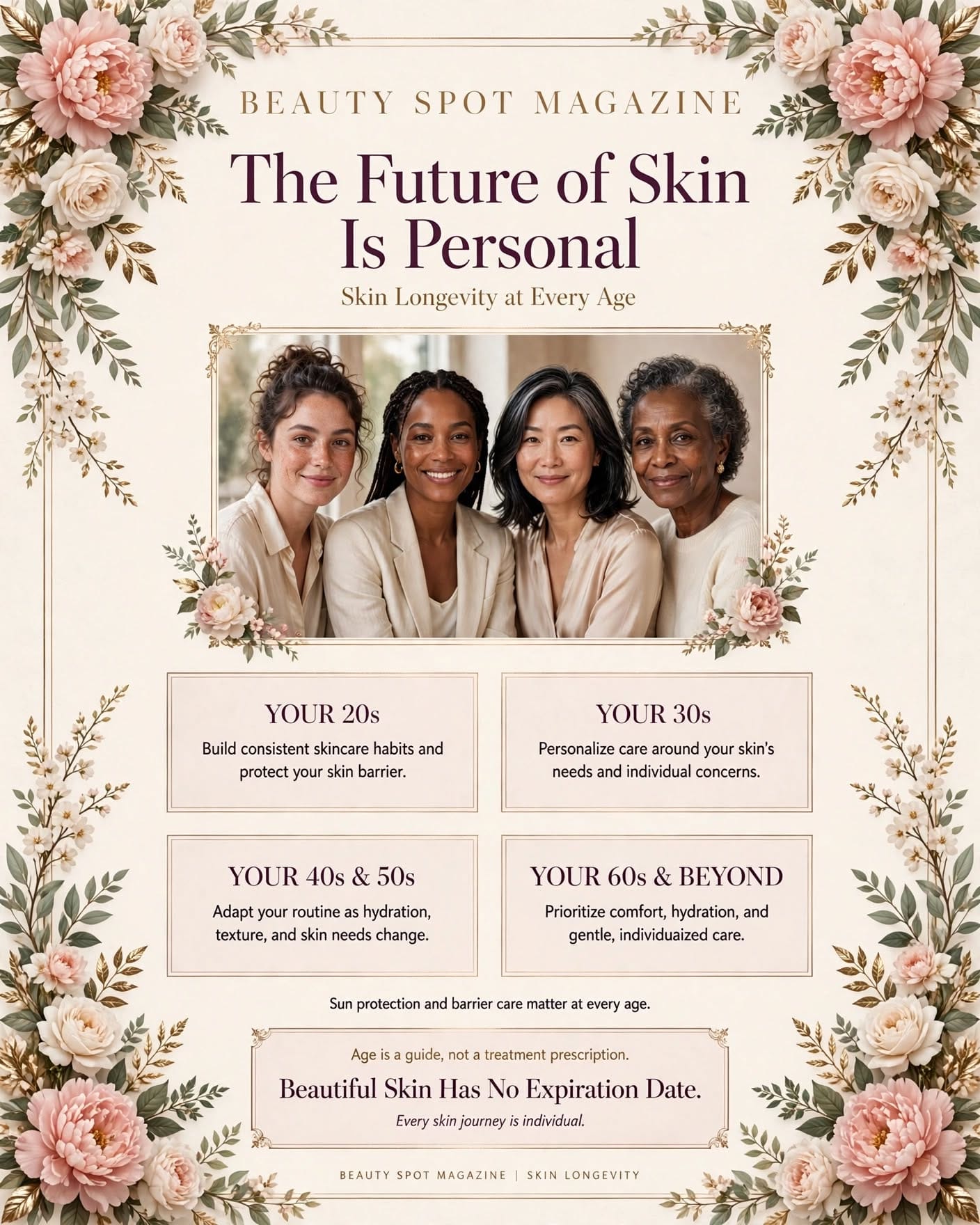
A patient in their twenties may be primarily concerned with acne, barrier sensitivity, or post-inflammatory marks. Someone in their thirties may begin noticing subtle texture changes or early fine lines. In their forties and fifties, hormonal transitions and cumulative environmental exposure may influence firmness, hydration, and pigmentation. Later in life, the priorities may include dryness, skin fragility, comfort, and maintaining a healthy barrier.
These are patterns, not rigid age-based treatment rules. Two people of the same age may have entirely different skin needs.
A sophisticated treatment plan therefore begins with the individual rather than the decade printed on their birth certificate.
Skin longevity is not about making every face look younger. It is about helping every person care for the skin they have, with intelligence, intention, and respect for its biology.
The Texas Perspective: Where Beauty Expertise Meets Medical Responsibility
In Texas, the expansion of medical aesthetics has created meaningful opportunities for collaboration among licensed estheticians, physicians, nurses, and other appropriately credentialed healthcare professionals. Markets such as San Antonio, Austin, Dallas, and Houston reflect a broad consumer interest in treatments that combine the refinement of luxury skincare with the possibilities of medical technology.
But the growth of this market also demands greater professional clarity.
A luxurious environment does not establish medical authority. A certificate from a training course does not independently expand a professional license. And terminology such as medical-grade, advanced, or clinical does not determine whether a procedure is legally permitted.
Texas distinguishes between cosmetology and esthetics services regulated by the Texas Department of Licensing and Regulation and medical services governed by applicable healthcare laws and professional licensing boards. The classification of a procedure depends on what it actually involves, not simply how it is advertised.
For spa owners and medical aesthetic businesses, this distinction affects treatment menus, staffing, medical oversight, informed consent, documentation, insurance, and risk management.
The strongest businesses are those that recognize the value of each professional discipline. Licensed estheticians can provide essential skin education, appropriate cosmetic treatments, product guidance, and ongoing client support. Medical professionals can evaluate conditions requiring diagnosis and determine whether medical procedures are indicated.
When those roles are clearly defined and coordinated, clients benefit from continuity of care without unnecessary confusion about professional responsibilities.
The future of advanced aesthetics in Texas is not simply about offering more procedures. It is about building a culture in which education, medical responsibility, and client trust advance together.
The Consultation Is Becoming the Most Important Treatment
What is medical aesthetics? a 2026 patient guideenrichedmedspa.com
The most transformative part of a modern aesthetics appointment may happen before a device ever touches the skin.
A thorough consultation allows a qualified provider to examine the client's concerns, review relevant medical history, discuss current skincare products, and establish realistic treatment goals. It also creates an opportunity to distinguish cosmetic concerns from conditions that may require medical diagnosis.
A client seeking brighter skin may actually be dealing with a compromised barrier. Someone requesting treatment for pigmentation may have melasma, which requires a particularly cautious strategy. A person concerned about enlarged pores may be experiencing changes associated with oil production, photodamage, or scarring.
These distinctions influence every subsequent decision.
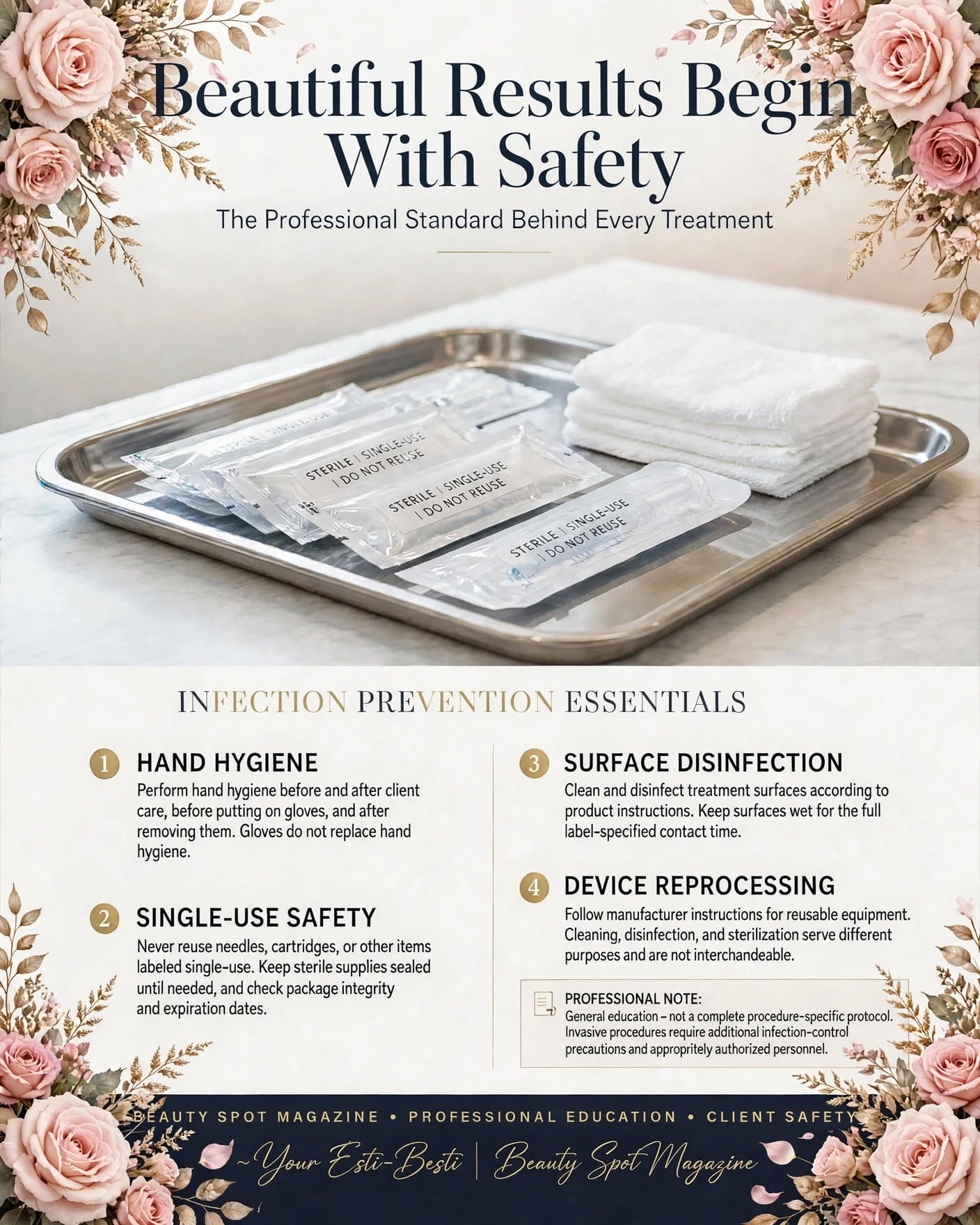
Consultation should also include an honest discussion of recovery. Advanced treatments may involve redness, swelling, sensitivity, temporary changes in pigmentation, or periods when makeup and certain active ingredients should be avoided. Some procedures require multiple visits, and improvement may be gradual or incomplete.
Clients deserve to understand not only what a procedure may accomplish, but also what it cannot promise.
This is particularly important in an era when heavily filtered imagery and dramatic before-and-after photographs can create unrealistic expectations. Clinical outcomes depend on many factors, including baseline skin condition, treatment selection, individual healing responses, and adherence to aftercare.
A premium client experience is not defined by promising perfection. It is defined by providing informed choices.
The Future Is Combination Care, Not Treatment Excess
One of the most important ideas emerging from modern aesthetics is that no single procedure needs to do everything.
A client undergoing medically appropriate collagen-remodeling treatments may still benefit from professional facial care between procedures, once the skin has adequately recovered and the treating clinician has approved it. A person receiving dermatologic treatment for pigmentation may continue a customized skincare program focused on barrier support and sun protection. Someone investing in resurfacing may need to simplify their home-care routine temporarily rather than adding more exfoliating products.
This coordinated approach acknowledges that skin improvement is often cumulative. Different treatments address different aspects of skin appearance and function, and combining them requires careful scheduling and an understanding of how the skin responds.
More treatment is not necessarily better treatment.
In fact, the growing tendency to layer procedures, active ingredients, and devices without adequate recovery can undermine the very goals clients hope to achieve. Persistent irritation, barrier dysfunction, and inflammation may leave the skin looking less healthy, even when the original intention was rejuvenation.
The future of sophisticated aesthetics will increasingly depend on knowing when to intervene and when to allow the skin to recover.
For beauty professionals, this creates an opportunity to build long-term relationships around thoughtful care rather than isolated appointments. For clients, it creates a more sustainable way to approach aesthetic investment, with treatment decisions guided by individual needs instead of seasonal trends.
Beyond the Glow, Toward Something More Meaningful
There will always be a place for the beautifully executed facial. The warmth of the treatment bed, the careful rhythm of expert hands, the restorative quiet of a private treatment room, and the luminous finish of freshly cared-for skin remain essential parts of the luxury beauty experience.
But modern aesthetics is inviting us to look beyond what happens in that single hour.
Healthy-looking skin is influenced by biology, environment, daily habits, professional care, and, when appropriate, medical intervention. Collagen remodeling, advanced resurfacing, and energy-based technologies offer possibilities that traditional cosmetic treatments cannot always provide. Yet their value depends on proper patient selection, realistic expectations, and responsible clinical practice.
The most compelling transformation is not the pursuit of a flawless face. It is the development of a more informed relationship with the skin itself.
One that respects its changing needs, recognizes the difference between cosmetic maintenance and medical treatment, and understands that true sophistication lies in choosing carefully.
Because sometimes the skin needs hydration. Sometimes it needs protection. Sometimes it needs time to heal. And sometimes, after thoughtful medical evaluation, it may benefit from a treatment designed to work beneath the surface.
The art is knowing the difference.
Beauty Spot Magazine believes the future of aesthetics belongs to informed clients, educated professionals, and treatment philosophies that place skin health, safety, and individuality above the pursuit of perfection.